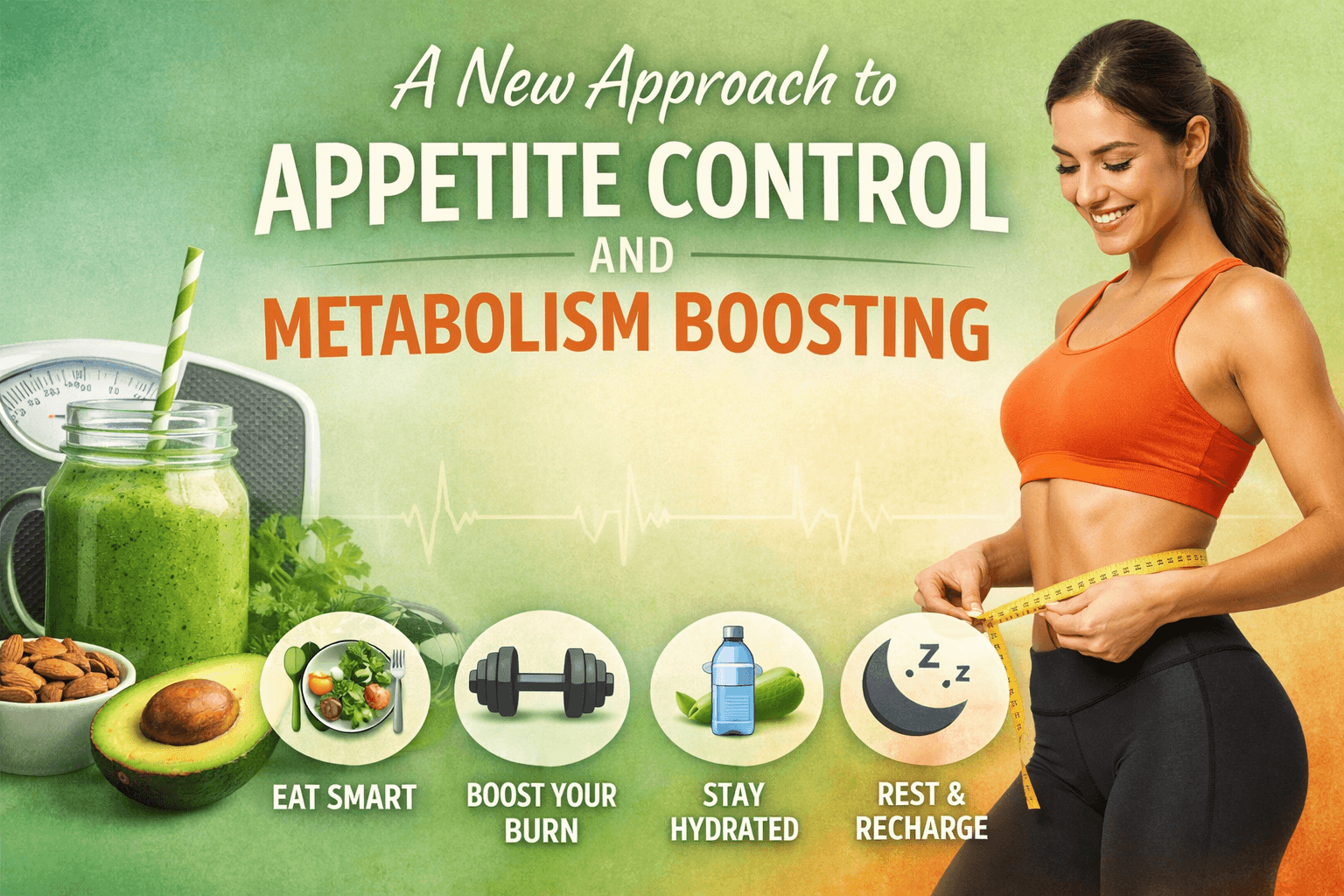
A New Approach to Appetite Control and Metabolism Boosting

Managing your appetite and boosting your metabolism can feel like an uphill battle. Whether you’re striving for weight loss, looking to maintain weight, or simply aiming to feel better in your body, finding strategies that work for you is key. The good news? There are fresh, innovative approaches you can take to keep your appetite in check and fire up your metabolism. Read on to discover practical tips and tricks for reaching your goals.
Where to Start
Retatrutide is becoming increasingly popular for those looking to regain control over their appetite and metabolism. If this innovative approach speaks to you, it might be worth exploring further. For those ready to take the next step, you can buy retatrutide peptide from trusted sources to support your health journey.
Always consult with a healthcare professional before starting any new supplement or treatment. They can guide you in making the best choice for your individual needs and ensure any product you use aligns with your overall health goals.
The Role of Natural Supplements
Natural supplements are gaining serious attention for appetite control and boosting metabolism. Many are plant-based and formulated to work with your body—not against it. For instance, green tea extract and cayenne pepper can help rev up metabolism thanks to their thermogenic properties, which help you burn more calories. Similarly, fiber-rich supplements like glucomannan can promote feelings of fullness, reducing the urge to snack mindlessly throughout the day.
Another promising option is magnesium, which regulates blood sugar and reduces cravings that catch you off guard. Before jumping into supplements, though, it’s always smart to consult a healthcare provider. This ensures you choose products that align with your unique needs and health goals.
How to Start with Natural Supplements:
- Incorporate green tea extract or matcha powder into your morning routine.
- Take fiber supplements like psyllium husk or glucomannan 30 minutes before meals to curb hunger.
- Consider magnesium or chromium if sugar cravings are a big challenge for you.
The Power of Mindful Eating
At its core, mindful eating is about paying attention to what, why, and how you eat. It’s not about dieting or banning food, it’s a way to build a healthier relationship with your meals. When you eat mindfully, you’re more in tune with hunger and fullness cues, making it easier to avoid overeating.
For example, slowing down and chewing each bite thoroughly gives your stomach time to communicate with your brain, helping you feel satisfied sooner. It also helps you notice your meal’s textures, flavors, and aromas—making food more enjoyable and reducing the feeling of deprivation.
Mindful Eating in Practice:
- Start meals by taking a deep breath to center yourself.
- Put down your fork between bites and savor your food.
- Avoid eating while distracted (say goodbye to eating in front of the TV!).
- Keep a food journal to identify patterns in your cravings or emotional eating.
Exercise & Movement to Fire Up Your Metabolism
Exercise is a tried-and-true method for boosting metabolism, but it doesn’t always require sweating through hours-long gym sessions. The key is finding a movement that fits into your life and feels sustainable. Strength training is particularly effective because it builds lean muscle, and muscle tissue burns more calories than fat—even when you’re resting.
High-intensity interval training (HIIT) is another metabolism-boosting exercise perfect for people short on time. It involves short bursts of intense movement followed by rest. You can complete a HIIT session in at least 20 minutes and still see significant benefits.
Even if you’re not into structured workouts, small daily habits—like taking the stairs or dancing in your kitchen—can increase calorie burn over time.
Easy Ways to Get Moving:
- Add two days of strength training to your weekly routine.
- Try a 20-minute HIIT workout on YouTube (most require little to no equipment!).
- Make it a goal to walk 10,000 steps a day.
- Sneak movement into your day, like stretching during TV commercials or having walking meetings.
The Importance of Hydration
It sounds simple, but staying hydrated is an underrated tool for appetite control and metabolism boosting. Water plays a role in almost every aspect of your body’s function, from digestion to energy regulation. Sometimes, thirst can even disguise itself as hunger, leading you to snack when your body really just needs fluids.
Drinking a glass of water before meals can help you feel fuller, which may lead to eating smaller portions naturally. Additionally, cold water has a temporary thermogenic effect, meaning your body burns extra calories, warming it to body temperature. Bonus? Staying hydrated supports your energy levels, making it easier to stick to the healthy habits you’re working on.
Hydration Tips:
- Drink a large glass of water first thing in the morning.
- Carry a reusable water bottle with you and refill it throughout the day.
- Add lemon, mint, or cucumber to your water for a flavor boost.
- Keep herbal teas on hand if you get bored with plain water.
Taking Small, Sustainable Steps
Ultimately, the best approach to appetite control and metabolism-boosting isn’t about major overhauls but small, consistent changes. Start by focusing on one or two strategies that feel manageable. Maybe that means practicing mindful eating during dinner this week or adding a strength-training session to your weekend routine. These small wins add up over time; before you know it, you’ll see and feel the results.
Everybody is different, so what works for one person may not work for you. Stay curious, keep experimenting, and be patient with yourself as you explore what strategies resonate most with your lifestyle and goals. With a little persistence and a willingness to try new things, you’ll be well on your way to a healthier, more energized you.