When to Replace Brake Pads and Rotors

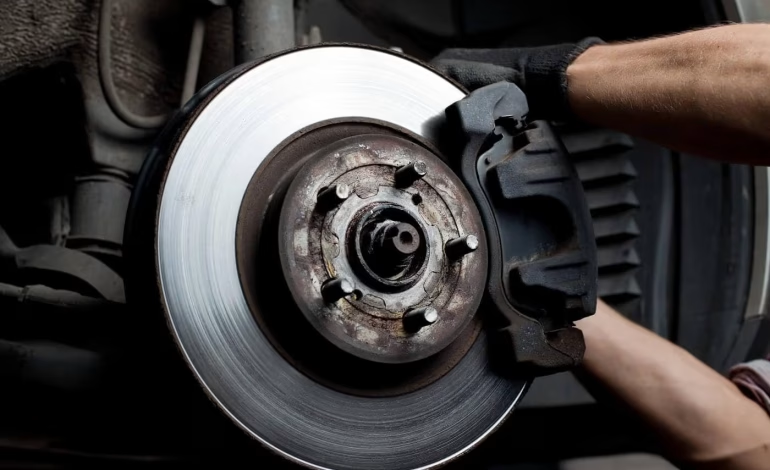
Brake pads and rotors are some of the most critical safety components in your vehicle, yet many drivers aren’t sure when they actually need replacing. Ignoring worn brakes can lead to longer stopping distances, costly repairs, and increased safety risks. Understanding the warning signs and recommended replacement timelines helps you stay ahead of problems before they become serious. In this article, we’ll explain when to replace brake pads and rotors, what symptoms to watch for, and how proper maintenance can keep your braking system reliable and your driving safe.
How Often Should Brake Pads Be Replaced?
Brake pads are designed to wear down over time, and knowing when to replace them is essential for safe driving. On average, brake pads last between 30,000 and 70,000 miles, but this can vary depending on your vehicle type, driving habits, and the quality of the pads. Frequent city driving, heavy braking, or towing can cause pads to wear out more quickly, while highway driving may extend their lifespan.
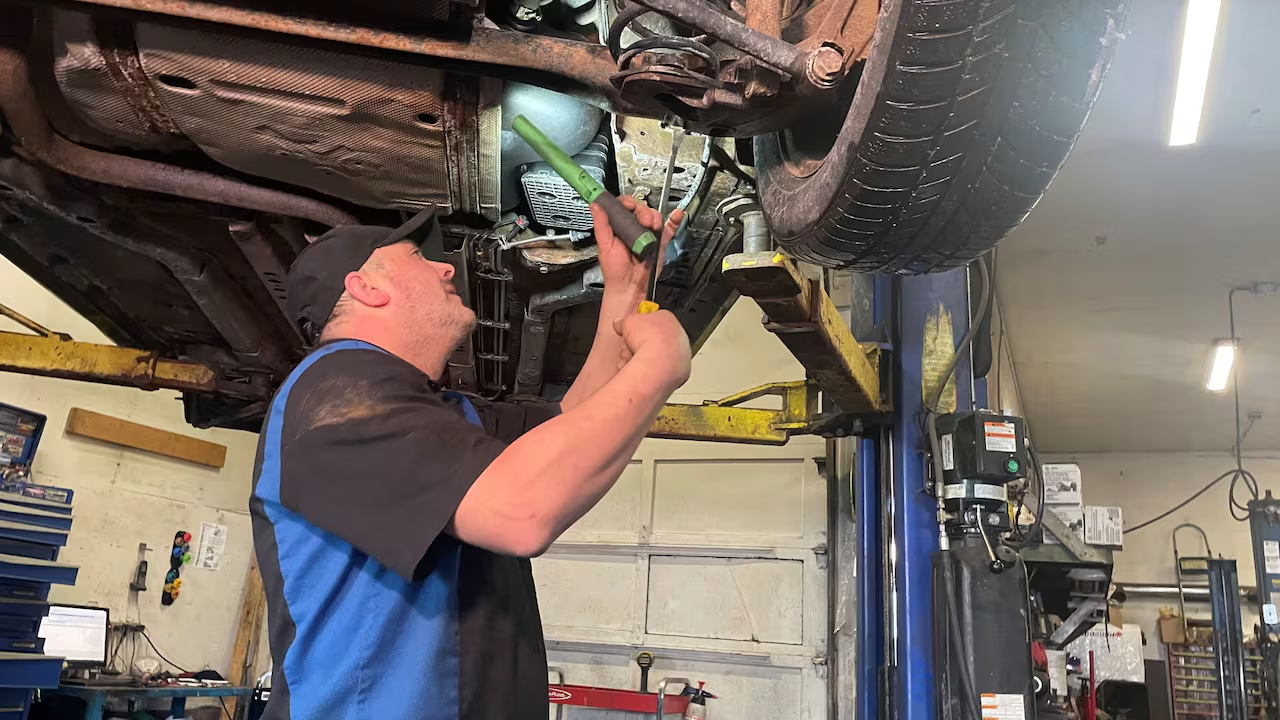
Most brake pads have built-in wear indicators, small metal tabs that create a squealing noise when the pads are getting low. This sound is an early warning that replacement is needed. Additionally, if you notice reduced braking performance, longer stopping distances, or a grinding noise, it’s a clear sign your brake pads may be worn. Regular inspections, either during oil changes or tire rotations, help ensure your brake pads are replaced before they compromise safety.
Warning Indicators of Rotor Wear or Damage
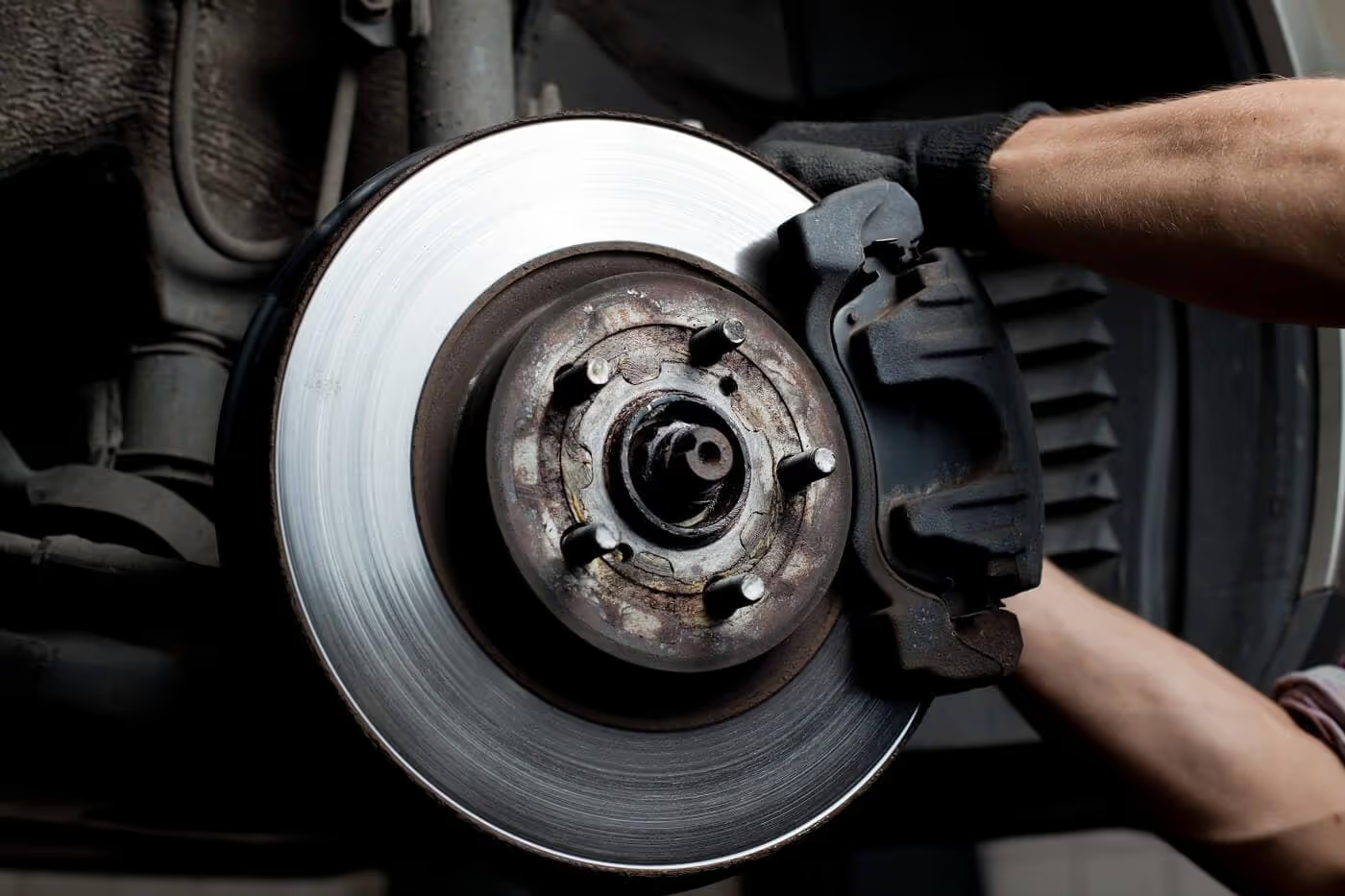
Rotors play a key role in your braking system, and recognizing the signs of wear or damage can prevent costly repairs and maintain safety. One of the most common indicators is vibration or pulsation when applying the brakes, often caused by warped rotors. You may also notice deep grooves, scoring, or visible cracks on the rotor surface, which reduce braking efficiency.
Another warning sign is a squealing or grinding noise during braking, especially if it persists after replacing brake pads, this can indicate rotor issues rather than the pads themselves. Uneven braking or a pulling sensation to one side when stopping can also signal rotor problems. Regular inspections, either by a professional mechanic or during routine maintenance, help detect these issues early, ensuring that your braking system remains responsive and safe on the road.
Choosing Quality Brake Pads and Rotors
Choosing quality brake pads and rotors is essential for ensuring your vehicle stops safely and performs reliably. Not all brake components are created equal—cheaper options may save money upfront but can wear out faster, produce more noise, or even compromise braking efficiency. High-quality parts, on the other hand, offer better heat resistance, consistent performance, and longer lifespan.
When selecting brake pads, consider the material type: ceramic pads provide quiet operation and low dust, semi-metallic pads offer strong braking performance, and organic pads are gentle on rotors but may wear faster. For rotors, look for precision-engineered, durable materials that resist warping and maintain smooth braking surfaces. Additionally, choosing parts from reputable manufacturers or those recommended for your vehicle model ensures proper fit and performance. Investing in quality brake components not only improves safety but can also save you money by reducing the frequency of replacements.
Conclusion
Properly maintaining your brakes is essential for safety and vehicle longevity. By recognizing warning signs, replacing pads and rotors on time, and choosing high-quality components, you ensure reliable stopping power and prevent costly repairs. Regular inspections and mindful driving habits keep your braking system performing at its best.